
For decades, Juventus have been known for having a strong and reliable defence. Built around legendary figures, their backlines could intimidate forwards and make life miserable for opposing attackers. Giorgio Chiellini, for example, would celebrate a last-ditch tackle or a clearance out of the penalty area as if he had scored a goal himself. Those days of defensive dominance, however, seem increasingly distant.
When the iconic trio of Andrea Barzagli, Leonardo Bonucci and Chiellini eventually broke up, Juventus struggled to find players capable of carrying on their legacy. Medhi Benatia and Daniele Rugani both played their part, but neither became the long-term solution the club needed. Rugani, in particular, was once viewed as a potential successor to the old guard, yet he never reached the same level of influence.
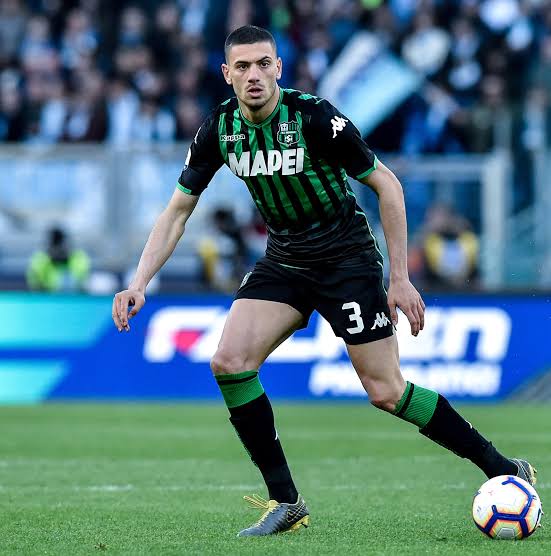
In 2019, Juventus invested in two promising young centre-backs: Merih Demiral, who had impressed at Sassuolo, and Matthijs de Ligt, who arrived from Ajax. Both signings appeared to represent a sensible long-term plan. They were young defenders with the potential to learn from Juventus’ experienced players before eventually taking their place.
De Ligt had already made a name for himself in Europe after captaining an exciting Ajax side on its run to the Champions League semi-finals. Juventus spent around €75 million to bring him to Turin, but just three years later, he was sold to Bayern Munich. His departure reflected more than one factor, including the financial considerations surrounding his contract and Bayern’s appeal as a destination. Nevertheless, Juventus lost a defender who was still young enough to form part of their backline for years to come.

Demiral was another intriguing prospect. After impressing at Sassuolo, the Turkish international joined Juventus in 2019. In 2021, he moved to Atalanta on loan, with an option to buy. Atalanta eventually made the transfer permanent for €20 million, potentially rising with bonuses. Demiral had shown the aggression and determination needed to become a valuable defender, yet Juventus ultimately allowed another promising player to continue his career elsewhere.
Cristian Romero is perhaps an even more frustrating example. I remember watching him play for Genoa in 2019. He was aggressive, confident in the air and always willing to compete with opposing forwards. Juventus signed the Argentine that year and initially loaned him back to Genoa, giving him more time to develop.
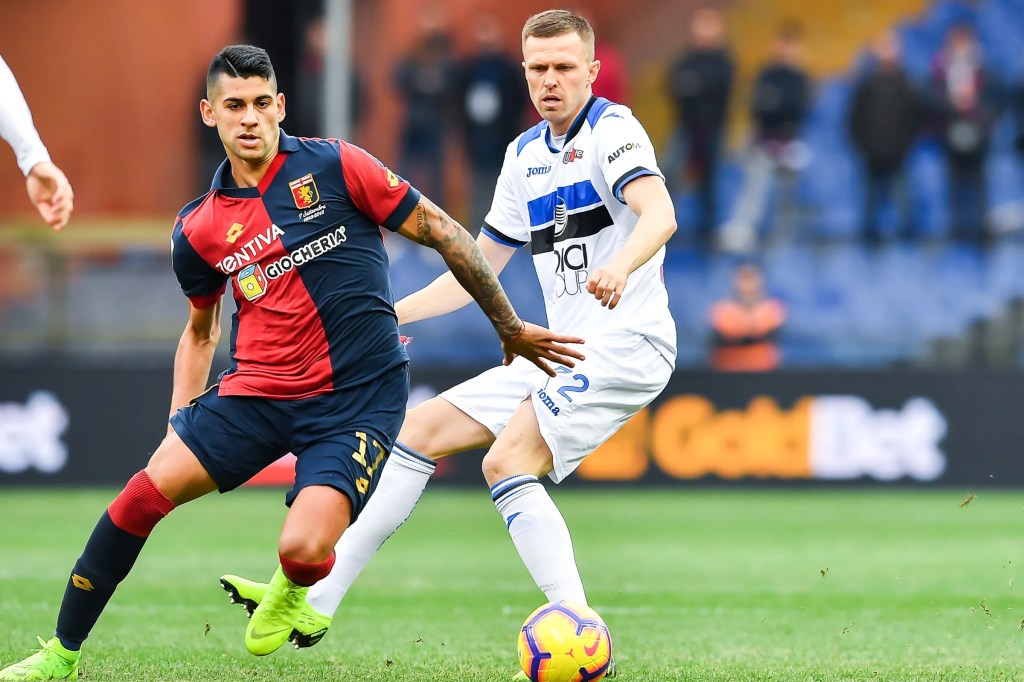
However, Romero never established himself in Turin. He joined Atalanta on loan in 2020, and his performances in the 2020–21 season were outstanding. He became one of Serie A’s most impressive defenders and won the league’s Best Defender award. Atalanta then exercised their option to sign him permanently for €16 million. Juventus had identified his potential, but another club ultimately benefited from his development.

The same questions arose with Dean Huijsen, one of the most promising young defenders to emerge from Juventus’ academy in recent years. After making his first-team debut, he spent part of 2024 on loan at Roma before joining Bournemouth that summer. His performances in England quickly attracted attention, and in 2025, Real Madrid secured his signature after activating his release clause, reportedly worth around €58 million.
Huijsen’s rapid rise was another reminder of what Juventus might have had if they had managed to retain and develop him. His departure also raises a broader question: are Juventus willing to give their young defenders the time and opportunities they need, or are short-term sporting and financial priorities taking precedence?
Of course not every transfer is a mistake. It’s easy to see in hindsight the mistakes in the transfer market; however, when these defenders leave and find success elsewhere, it’s difficult to ignore.
Bringing in a player like Bremer helps address Juventus’ immediate need for quality at the back, but the lack of young defenders ready to step up remains a problem. Recruitment targets like Lucumí and Çelik also raise questions about the club’s current strategy: is Juventus focused too heavily on assembling a team capable of winning now, while neglecting the long-term development it desperately needs?
A proper long-term strategy is crucial if Juventus wants to return to the top of Italian football. Trying to win immediately with a squad that still has significant weaknesses, without investing enough in the future, is unlikely to deliver lasting success. For a club like Juventus, the challenge is not simply to buy quality defenders from across Europe, but to ensure that the next generation can develop and become the backbone of the club’s defence.


Leave a Reply