Paulo Dybala is hardly a player who needs an introduction if you follow Italian football. He is an incredibly gifted footballer with extraordinary technical ability, close control and vision. His playing style has often drawn comparisons to Lionel Messi, particularly in the way he glides past opponents and creates opportunities in tight spaces. His journey to the top began at Instituto de Córdoba in Argentina, before Palermo brought him to Italy and introduced him to European football.
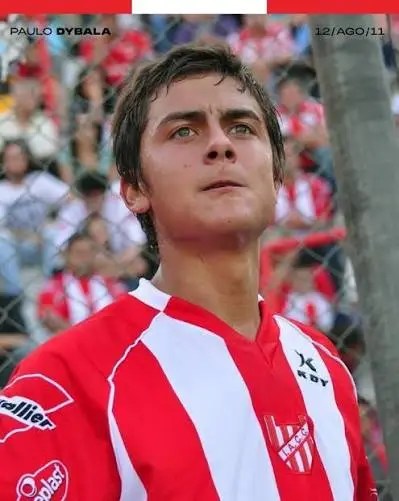
Dybala played for his boyhood club, Instituto de Córdoba, where he attracted plenty of attention after scoring 17 goals in 38 appearances during the 2011–12 season. Manager Darío Franco primarily used him as a forward in an attacking 3-4-3 formation, allowing him to move into midfield when needed and drift wide to find space. This remains one of the defining features of his game: finding the areas where he can hurt his opponents most, whether by creating an opportunity for a teammate or finding half a yard to unleash a long-range shot.
In the summer of 2012, Palermo brought Dybala to Italy. Over the following three seasons, he developed into one of the most exciting young attackers in the league. He formed an excellent attacking partnership with Franco Vázquez, and after an impressive 2014–15 campaign, Juventus came knocking.
Dybala’s time at Juventus was highly successful. He won five Serie A titles and four Coppa Italia trophies, while reaching the Champions League final in 2017. He became one of the focal points of Juventus’ attack, operating alongside players such as Gonzalo Higuaín, Mario Mandžukić and Álvaro Morata. While Gianluigi Buffon and Giorgio Chiellini helped lead the team defensively, Dybala provided much of the creativity and attacking flair.
However, the arrival of Cristiano Ronaldo in 2018 changed the attacking dynamic. Juventus signed Ronaldo in the hope that one of the greatest goalscorers in football history could help end their Champions League drought. More of the attack began to revolve around getting Ronaldo into goalscoring positions, and Dybala’s role changed. Combined with recurring injuries and several managerial changes, this made it harder for the Argentine to maintain his earlier influence.
The statistics illustrate the difference between their roles. Ronaldo scored 101 goals in 133 appearances for Juventus, while Dybala finished his Juventus career with 115 goals in 293 appearances. Ronaldo was naturally the more prolific goalscorer, but Dybala offered more than goals alone. His creativity, movement and ability to link midfield with attack were essential parts of his game.
In the 2017–18 season, Dybala scored 26 goals in all competitions. During Ronaldo’s first season in Turin, that figure fell to 10, while Ronaldo scored 28. By the end of the 2020–21 season, Ronaldo had won the Serie A Golden Boot with 29 league goals, while Dybala had managed only five goals in all competitions amid fitness problems. Of course, the changing tactical system and frequent changes in management also played a role. Massimiliano Allegri, Maurizio Sarri, Andrea Pirlo and Allegri again all had different approaches, leaving Dybala to adapt to different roles across the final years of his Juventus career.
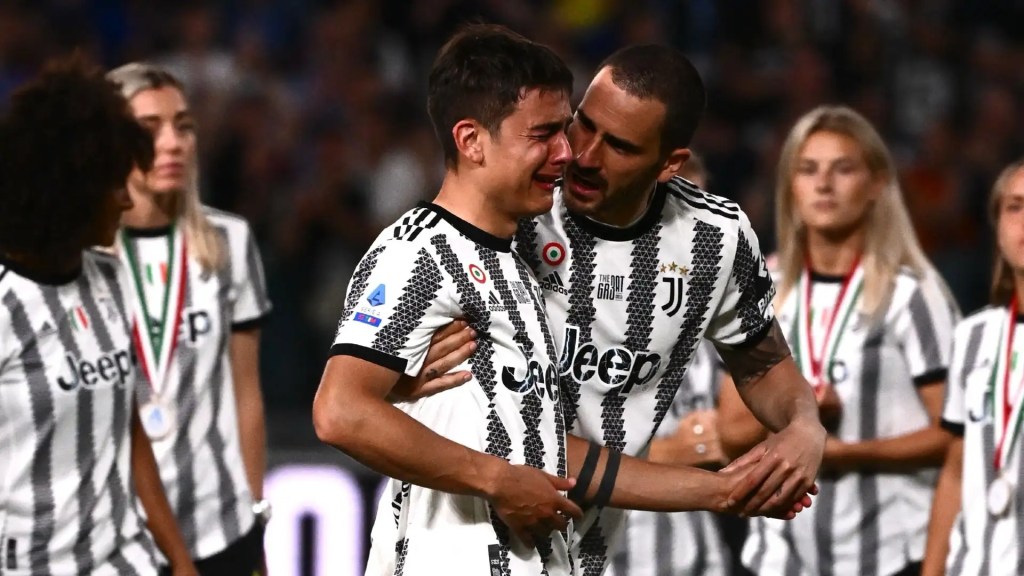
Ultimately, a combination of recurring injuries, a changing attacking system and disagreements over his contract contributed to Dybala’s departure from Turin in 2022. His emotional farewell showed just how much Juventus had meant to him.
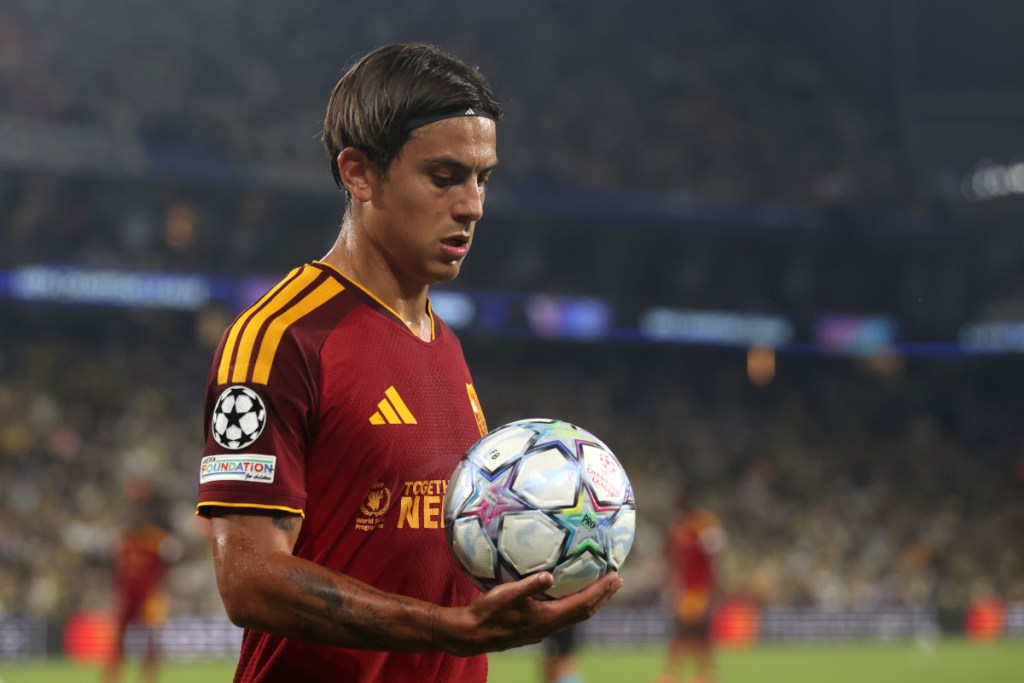
In July 2022, Roma gave Dybala the opportunity to continue his career in Italy, and he quickly became an important figure in their attack. Later that year, Argentina won the World Cup in Qatar, adding another major achievement to his career. At Roma, Dybala once again became a key creative presence. His positional intelligence allowed him to find space between the lines, draw defenders towards him and create opportunities for teammates such as Tammy Abraham and Lorenzo Pellegrini.
Under José Mourinho, Roma’s counterattacking approach gave Dybala opportunities to exploit space and attack opposing defences on the break. He scored more than 10 goals in all competitions in each of his first two seasons at the club, but injuries continued to interrupt his progress. Even after finding a system that suited his strengths, staying fit remained a challenge.
Now 32 years old, Dybala has extended his stay in Rome, with his contract running until June 2027. Despite reported interest from Saudi Arabia, where he could potentially have earned a much higher salary, he chose to remain in Italy and continue his career in the Eternal City. It is another reminder of his connection to Italian football and his desire to keep competing at a high level.
Dybala is always a privilege to watch. Whether taking on a defender one-on-one, threading a perfectly weighted through ball or curling one of his trademark left-footed shots towards the top corner, he possesses the rare ability to create something out of nothing. His technical ability has never been in question. He also belongs to a rich tradition of Argentine attackers who have left their mark on Italian football, from Mario Kempes and Diego Milito to Gonzalo Higuaín, Carlos Tévez and today’s stars such as Lautaro Martínez.
It is difficult not to wonder what Dybala’s career might have looked like if he had suffered fewer injuries. His talent has never been in doubt, but consistency and availability have often stood between him and an even greater legacy. Nevertheless, from Palermo to Juventus and now Roma, Dybala has given Italian football countless special moments. His story is not simply one of unfulfilled potential, but of a player whose extraordinary gifts have continued to shine despite the obstacles along the way.


Leave a Reply